Personal Story
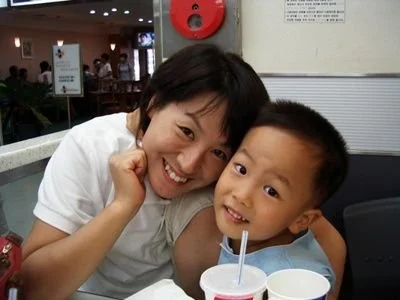
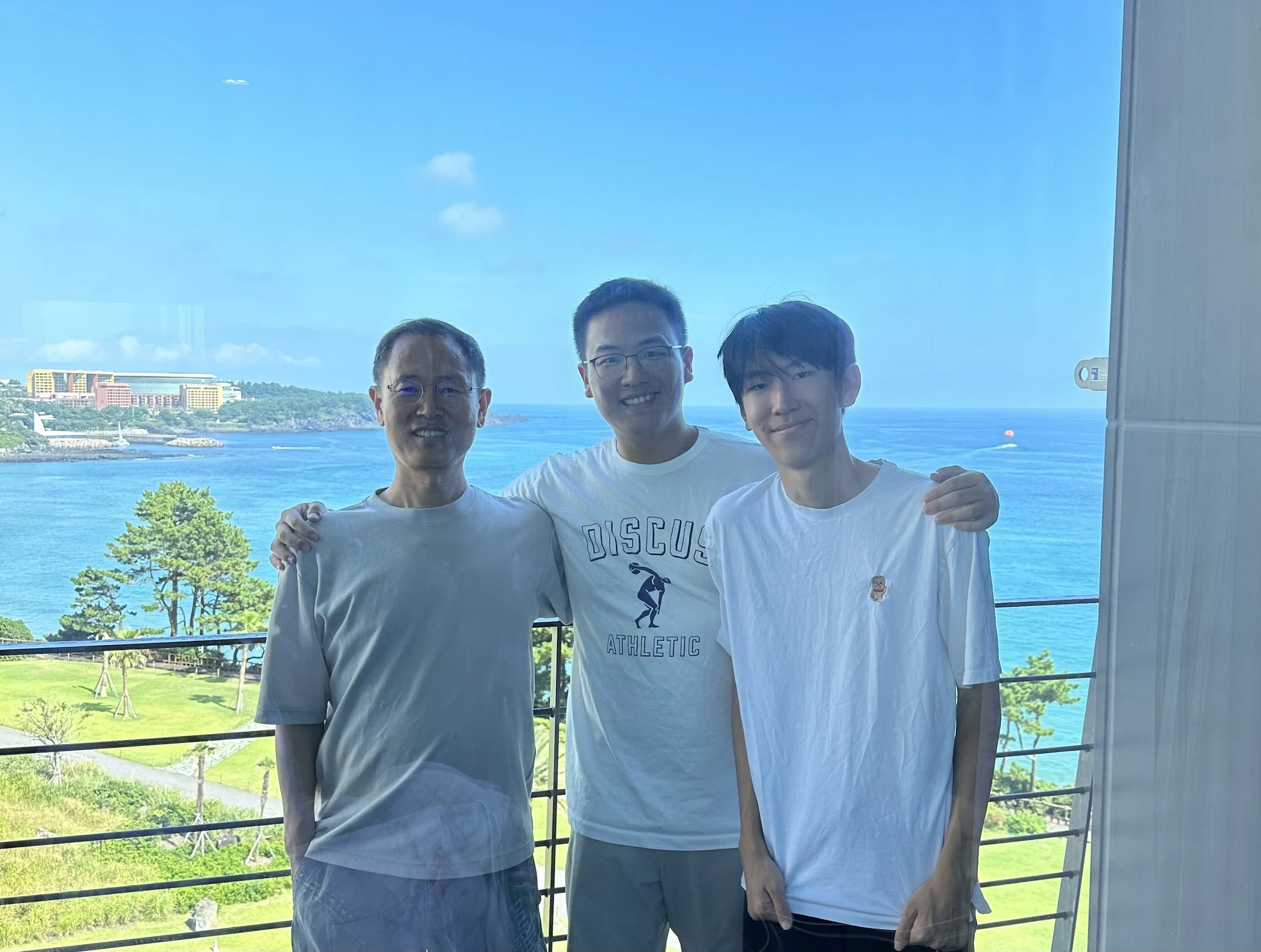

About a year ago, I presented in front of 30 at San Francisco State University on HIV in the “General Microbiology & Public Health” class.
It was scary, I do admit. Nerve-wracking, because most in the audience were non-Koreans, while just a few years ago, I was still on the island where I was born and raised all my life.
Indeed, my hometown is a tiny and remote island located at the southernmost tip of South Korea. And although today it is a bustling tourist town, back when I was very eager to carry out “research” (I was 16 when I went out to the woods with an insect trap in hand to collect the mosquitoes found only in tropical places like my island to evaluate risks of dengue transmission), there were virtually no resources available. Thus, nothing was easy. Most academic conferences, symposiums, and fairs were all held on the mainland, which meant that, as an islander, those opportunities were rarely within my reach. To be honest, although I love my hometown, sometimes I wished I lived in Seoul, which has many science programs for teenagers and even children.
But my dream wasn’t tiny. Despite the geographic isolation of Jeju and other difficulties, I always believed that if I kept knocking, the door would eventually open. So, I kept knocking. I knocked on the doors of professors at the few universities on our island, and surprisingly, many welcomed me. Later, they told me that they did so because of my initiative (plus, it was rare for a teenager to ask for a “meeting”).
And I did so because I had an unchanging dream—I wanted to help those who are in pain like my own family members—my maternal grandfather, who passed away from pancreatic cancer; my grandmother, who suffers from spinal stenosis and other degenerative diseases; and my paternal grandfather, who lives with vascular dementia. I saw them suffer because we literally lived together on our small island, where extended families are still common, and while taking care of them for months at hospitals.
Thus, with my clear dream serving as my North Star, I kept going, refusing to let any difficulty stop me. I also thank my parents for this. They encouraged me to dream and to work for that dream. And they worked very hard for over 20 years, running a very small clinic (my mother is the only assistant, and my father is an MD of Asian Medicine), rain or shine, to open all doors of opportunity for their children.
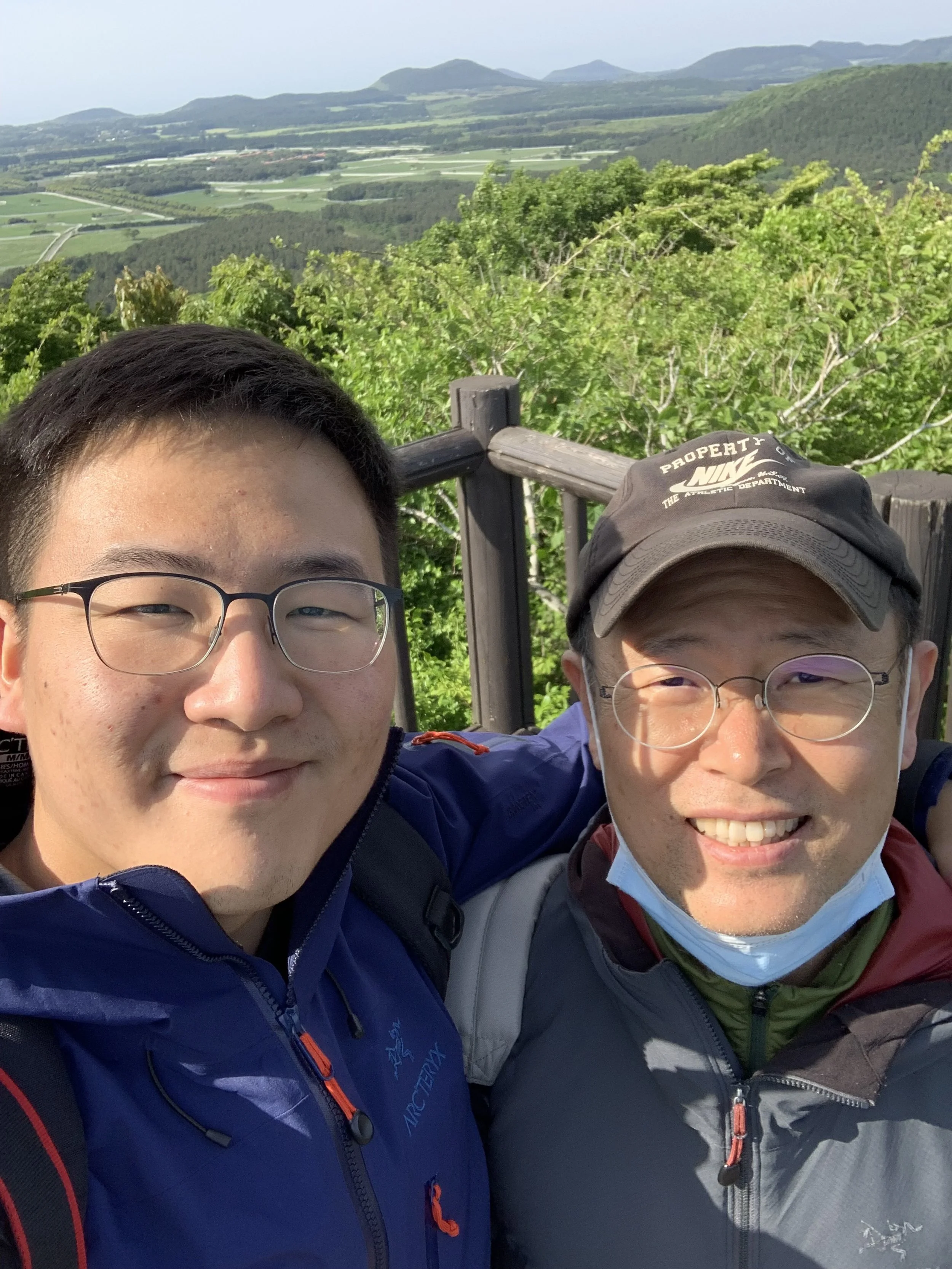
But more than anything, they were my role models: I learned so much from them on how to live and what matters in life. Our clinic is serving the community—the elderly women who can no longer stand upright (decades of hard life and labor, as my island is notorious for its harsh nature) and migrant workers from developing nations who work as farmhands.
As we have been in operation for over 20 years, it is not an overstatement to say that all the islanders know us.
And I am so proud because we are known for the right reasons. For one, we are not profitable, but that is the point. My parents never overcharge, upsell, or prescribe any unnecessary treatments. Instead, we often allow the patients to pay later, after harvest (free of interest, of course). We are also known for our contributions. My father, for instance, treats elderly women who were or are female divers (listed by UNESCO as Intangible Cultural Heritage of Humanity) pro bono. He also visits an impoverished islet to treat the elderly (the only residents on that abandoned island).
All these, I grew up seeing. And all the values that my parents cherish—empathy, compassion, and caring for the community—are also mine.
And this is why I went that extra mile to reach out to the experts, many of whom have become my mentors today and explored every imaginable field (Public Health to Infectious Disease Epidemiology, Marine Science, and Neuroscience, and others), all of which are about health, saving lives, and helping others. My efforts trace back even further. Even as a teenager, as mentioned above, I knocked on the doors of research centers to study the effects of climate change on my island (the fishery industry, specifically) and its people. The list goes on; as a high schooler, I researched on the inflow of mosquito-borne dengue into my island, and marine microorganisms that generate antimicrobial substances for treating farmed fish species’ pandemic.
Since then, my challenges have slowly turned into achievements. I went to college on the mainland, and last year, I studied abroad in the United States—where I could finally see the true scale of the world I had long dreamed of joining. And this year, my advisor invited me to join the Society for Neuroscience 2025 in San Diego, where I presented a poster and sharing our research with scientists from around the world.
And this is a commitment, I will continue for the rest of my career and life. In many ways, this spirit of contribution is a family legacy; for one, in my family, we have five MDs, including my father. Meanwhile, my grandfather started a bus company—a vital infrastructure trade that provided much-needed mobility (affordable) to the people of our island. And even after retiring, he didn’t stop contributing, starting the island’s first citron farm and training many fellow farmers to establish more. Now, citron is a cash cow for us, and we even export it to the mainland and other nations.
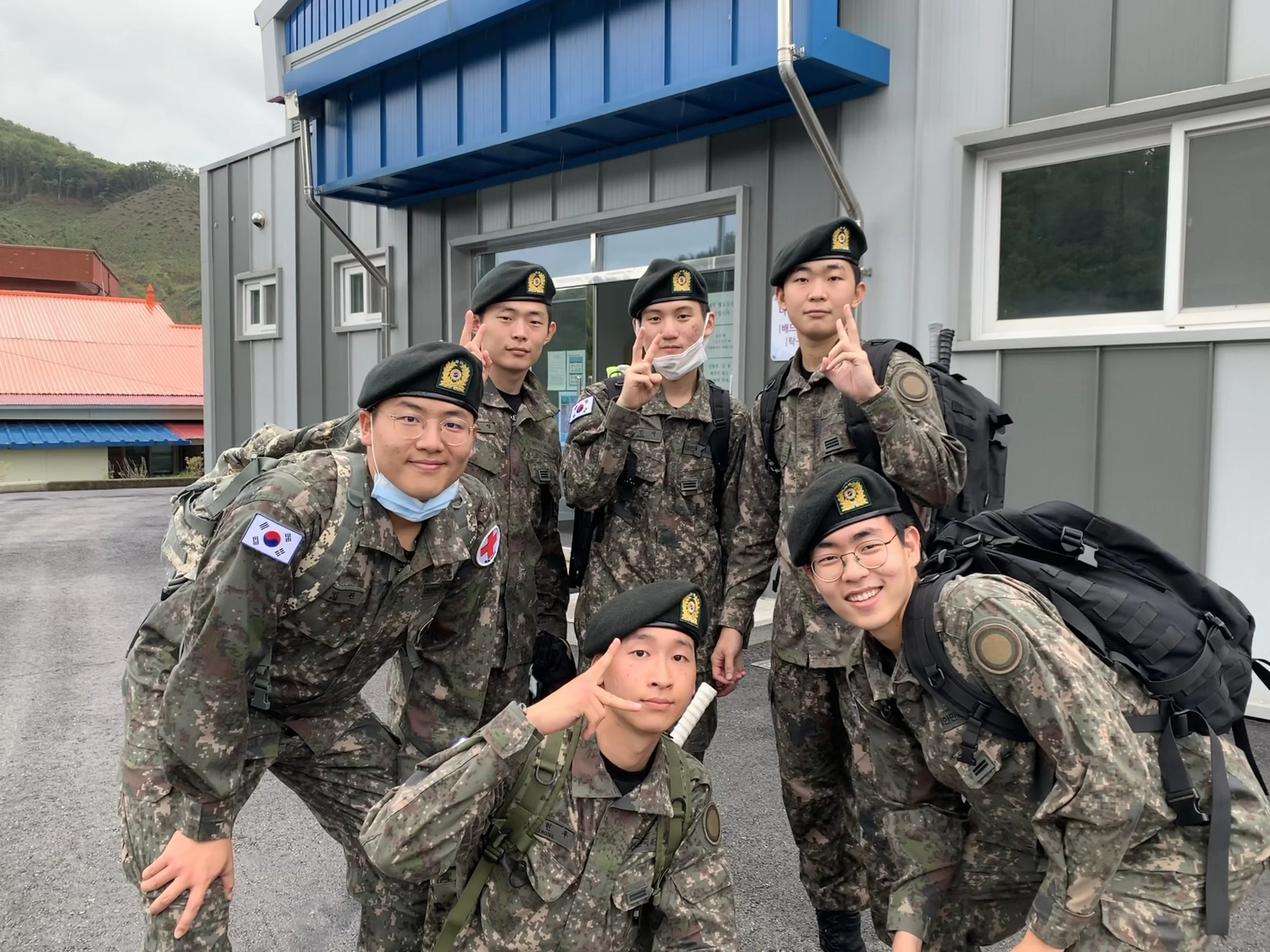

As such, I also tried to live up to this legacy. For example, I volunteered to join the medical corps for my military service. There, because we served a battalion of engineers who handled heavy machines, we often treated patients with severe finger injuries and other traumatic wounds. Additionally, I gave my 100% while in charge of preventing the spread of COVID-19 at our 300-soldier-strong base (later, our base was commended for maintaining near-zero infections).
My effort traces back even further. Volunteering was, in fact, like my pastime; since junior high, I volunteered at care homes and sanatoriums non-stop to help senior citizens with limited mobility, reading them newspapers and books, and simply talking to them to keep them company. I also made friends at the facility for the disabled, where, alongside my disabled friends, we created flower arrangements and played basketball together. I also started a student club to pick up garbage on our many beautiful beaches.
However, all these aren’t enough. I need to give back even more because of the immense “debt” I owe—not only to my parents but to the many who were there for me.
And I need you for that – to share more, to help many more.
A glimpse into my story